Color Theme
Addressing the Environmental Impact of Animal Agriculture

Addressing the Environmental Impact of Animal Agriculture

Russia has around 15,000 industrial livestock farms, which have a significant impact on the environment, animals, and human health and quality of life.

We work to reduce the negative environmental effects of animal agriculture, including tackling industry waste. One key solution is to slow down the production and consumption of animal-based products in favor of plant-based alternatives. This, in turn, decreases the number of animal victims and improves public health.

What We Do

Russia has around 15,000 industrial livestock farms, which have a significant impact on the environment, animals, and human health and quality of life.

We work to reduce the negative environmental effects of animal agriculture, including tackling industry waste. One key solution is to slow down the production and consumption of animal-based products in favor of plant-based alternatives. This, in turn, decreases the number of animal victims and improves public health.
Myshkin City, Yaroslavl Oblast

The "Vozrozhdenie" poultry farm has been polluting the air in the city for over 3 years by burning chicken manure and other waste. The company ignores residents' complaints.

Read more
Leningrad Oblast

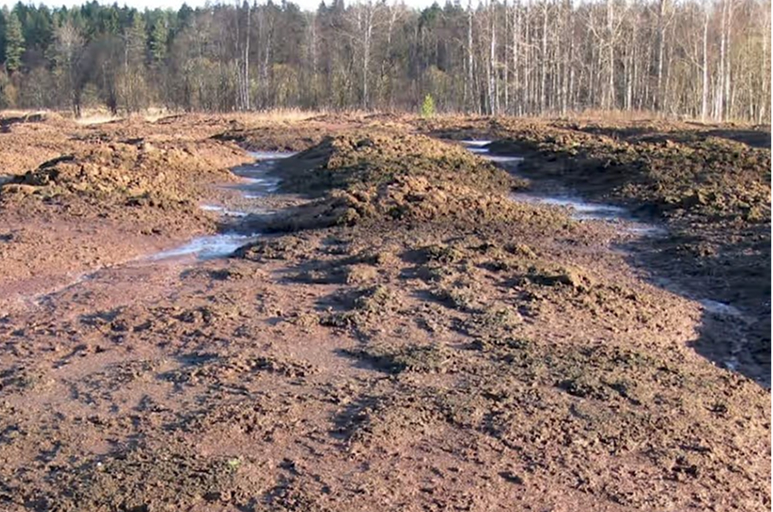
Residents of Leningrad Oblast have long complained about the operations of local poultry farms, which fail to properly dispose of chicken manure. In the Kirovsky District, tons of farm waste are dumped into forests and rivers; in the Vyborgsky District—onto fields and quarries; and residents of the Lomonosovsky District suffer from foul odors and water pollution in the river.

Read more
Pobeda Village, Leningrad Oblast

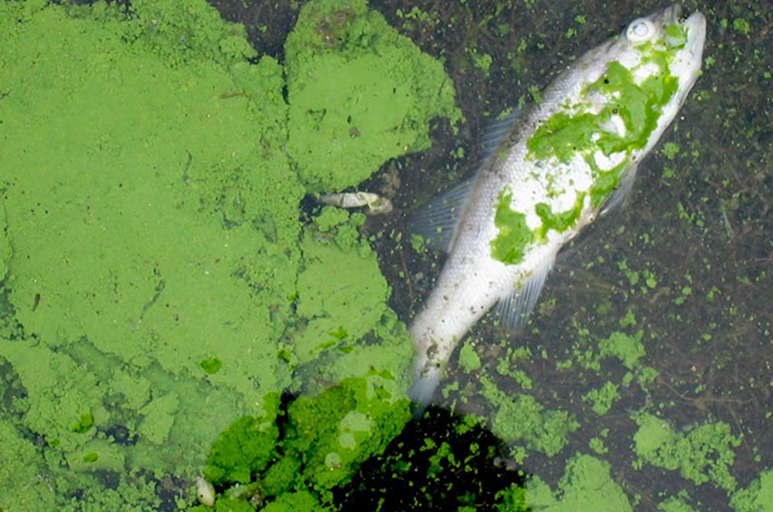
For several years, a real environmental disaster has been brewing in the Gulf of Finland, leading to mass deaths of fish and other organisms. Local residents blame the "Udarnik" poultry farm in Pobeda Village as one of the culprits.

Read more

How to Help

Russia has around 15,000 industrial livestock farms, which have a significant impact on the environment, animals, and human health and quality of life.

We work to reduce the negative environmental effects of animal agriculture, including tackling industry waste. One key solution is to slow down the production and consumption of animal-based products in favor of plant-based alternatives. This, in turn, decreases the number of animal victims and improves public health.

<